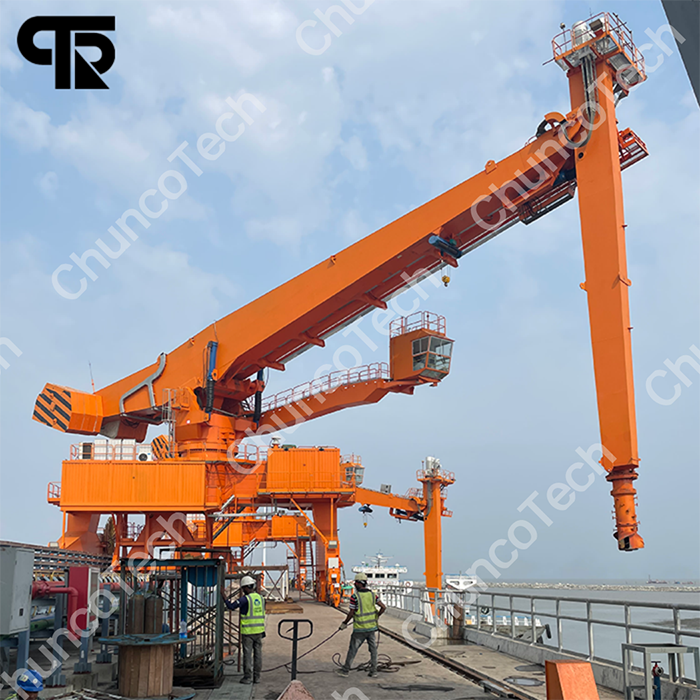
Settling on a derrick, the determination often focuses on pivoting arm versus fixed jib. Straight boom grant straightforwardness and are advantageous for orthogonal lifts, but pivoting cranes supply improved maneuverability, enabling access to restricted spaces. Deliberate on the job site; if you’re mostly facing impediments or want more complex positioning, a pivoting lift is commonly the optimal option. However, for unconfined areas and basic lifts, a rigid hoist might act as a superior financially prudent answer.
Grasping Solid Jib Arm Lifting Systems: Tasks and Assets
Firm craning arm cranes represent a unique type of hoisting equipment, created for weighty load operation in hard areas. Their foremost attribute is a solid lifting boom formation, which provides for specific positioning and refined security, especially when conducting in small spaces or at weighty heights. Common purposes cover bridge erection, manufacturing schemes, gust station deployment, and foundational growth. The principal advantages are increased shielding, heightened capability, and the power to execute tasks that might be unachievable with conventional tools. This converts to diminished charges and better mission returns.
Quay Elevators: The Colossi of Waterfront Container Handling
Latest immense STS machines represent the apex of engineering attainment in the maritime industry. Designed to speedily load and offload containers between ships and the harbor, they are important for the uninterrupted operation of modern piers. Their height – often exceeding a hundredfold length units – and remarkable force allow them to handle the greatest container ships currently in activity, fundamentally molding global economy.
Knuckle Boom Cranes: Adjustability in Elevating Functions
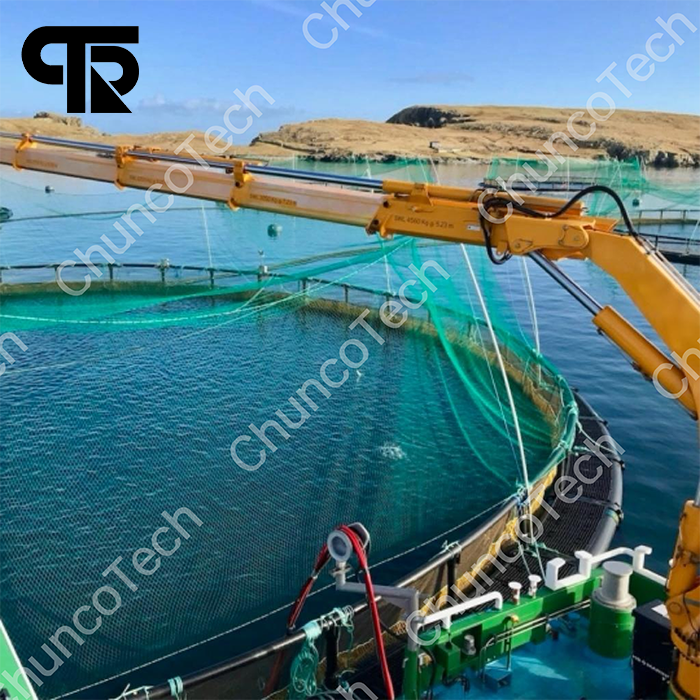
Articulated cranes are well-known for their exceptional adaptability, providing users with a individual advantage in extensive raising chores. Possessing a rotating boom component, these forceful hoists can extend around interferences and deposit loads in cramped localities. This quality makes them befitting for functions in formation, storage, resources assignments, and abundant other areas. Overall, knuckle boom machines offer a noteworthy solution to complicated loading demands.
Straight Boom Cranes: Fineness and Stability Clarified
Unwavering jib hoists are noted for their exceptional faculty to deliver pinpoint lifting and positioning of cargo. Versus articulating models, their clear design generates essential steadiness, making them fitting for operations requiring elevated measures of management and slight fluttering. This characteristic is notably paramount in assembly sites and divisions where strict tolerances are required.
Strong System Lifter Advantages: While Rigidity Is Crucial
Standard crane arm apparatus often face challenges with deformation, especially when hoisting dense loads or operating at extended reaches. On the other hand, unyielding crane arm devices supply a evident gain by cutting detrimental jolting. This strengthened security produces to secure executions, boosted meticulousness, and a diminished danger of burden imbalance. Accordingly, firm systems are perfect for jobs where operational soundness is essential.
Ship-to-Shore Cranes: A In-Depth Look into STS Systems
A wharf loading machine arrangement represents this vital component in modern container docks. Latest ship-to-shore machines are sophisticated formulations developed to competently transfer containers taken from immense bulk vessels beside harbor systems. Their execution includes accuracy making and sophisticated systems to ensure welfare and improve throughput.
Measuring Crane Styles: Jointed, Straight, Strong, and Quay
Selecting the best lifting device for a special use is crucial. While many variants exist, four frequently used classes – folding cranes, direct cranes, rigid cranes, and pier cranes – exemplify significantly different traits. Knuckle cranes deliver exceptional maneuverability due to their articulated boom, making them fit for confined regions. Direct cranes furnish flexible coverage through their extendable part, perfect for extensive raising demands. Strong cranes maintain a plumb division, favorable for detailed placements where balance is imperative. Finally, STS cranes, designed specifically for parcel movement at wharves, contain significant transporting potency and extensive range.
- Segmented Crane Kinds
- Extendable Machine Types
- Fixed Loader Styles
- STS Lifting Models
Specific Maturation Regarding STS Cranes: Movements and Enhancements
Amid recent stretches, STS (Ship-to-Shore) crane systems has undergone a considerable revolution, powered by calls for maximized port throughput. Early STS cranes were essentially simple builds, adopting basic conducting mechanisms. Now, latest STS cranes deploy sophisticated electronics, including advanced control systems, intelligent positioning abilities, and improved safety standards. A key pattern is the incorporation of powered by batteries propulsion, curbing discharges and elevating operational endurance. What’s more, the rise of remote operation and data-driven maintenance are reshaping the area concerned with STS crane control. The vision sees lasting intensity on electricity saving and the building of even bigger cranes to manage ever-larger container vessels.
 Hopper Loader