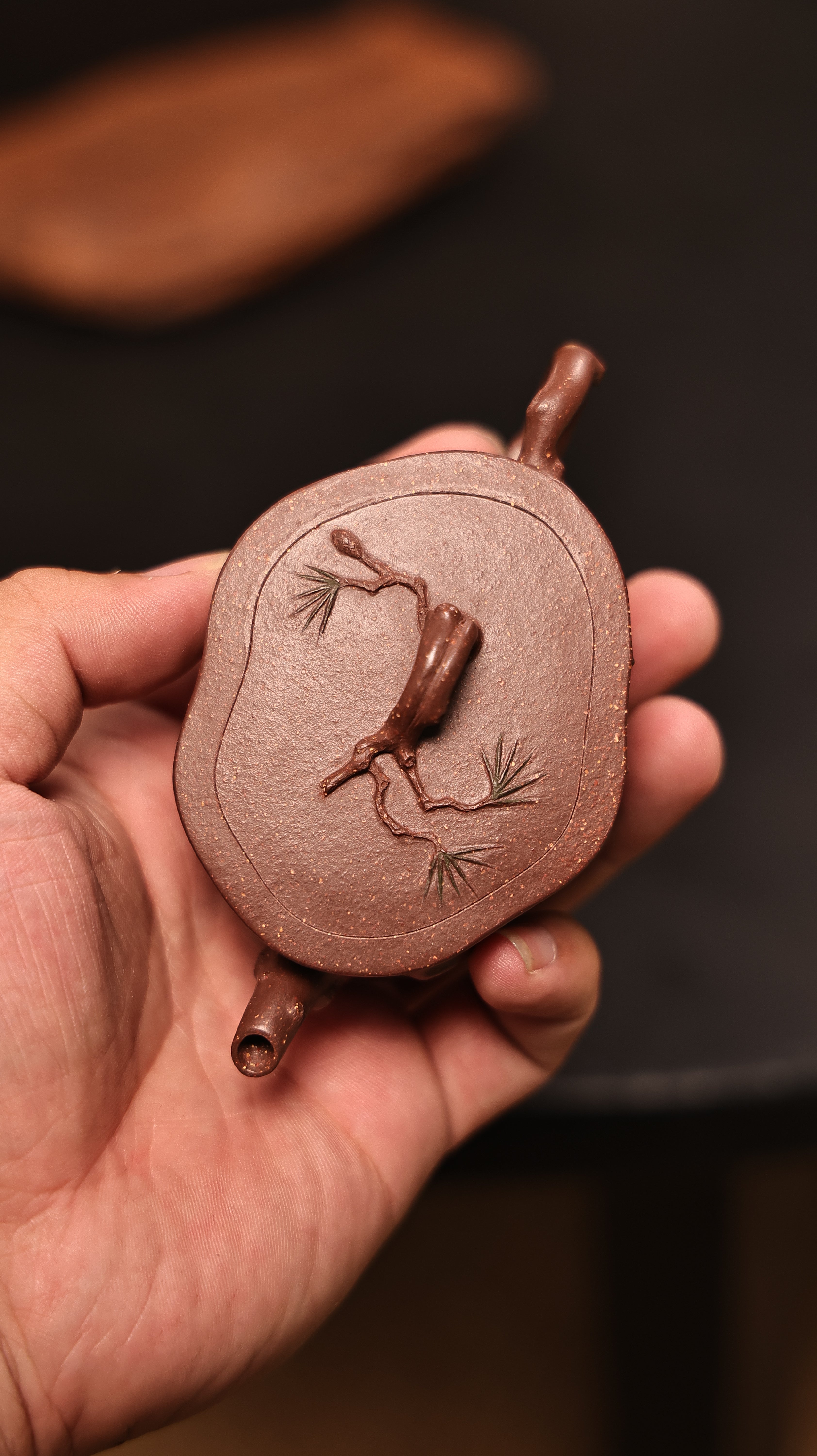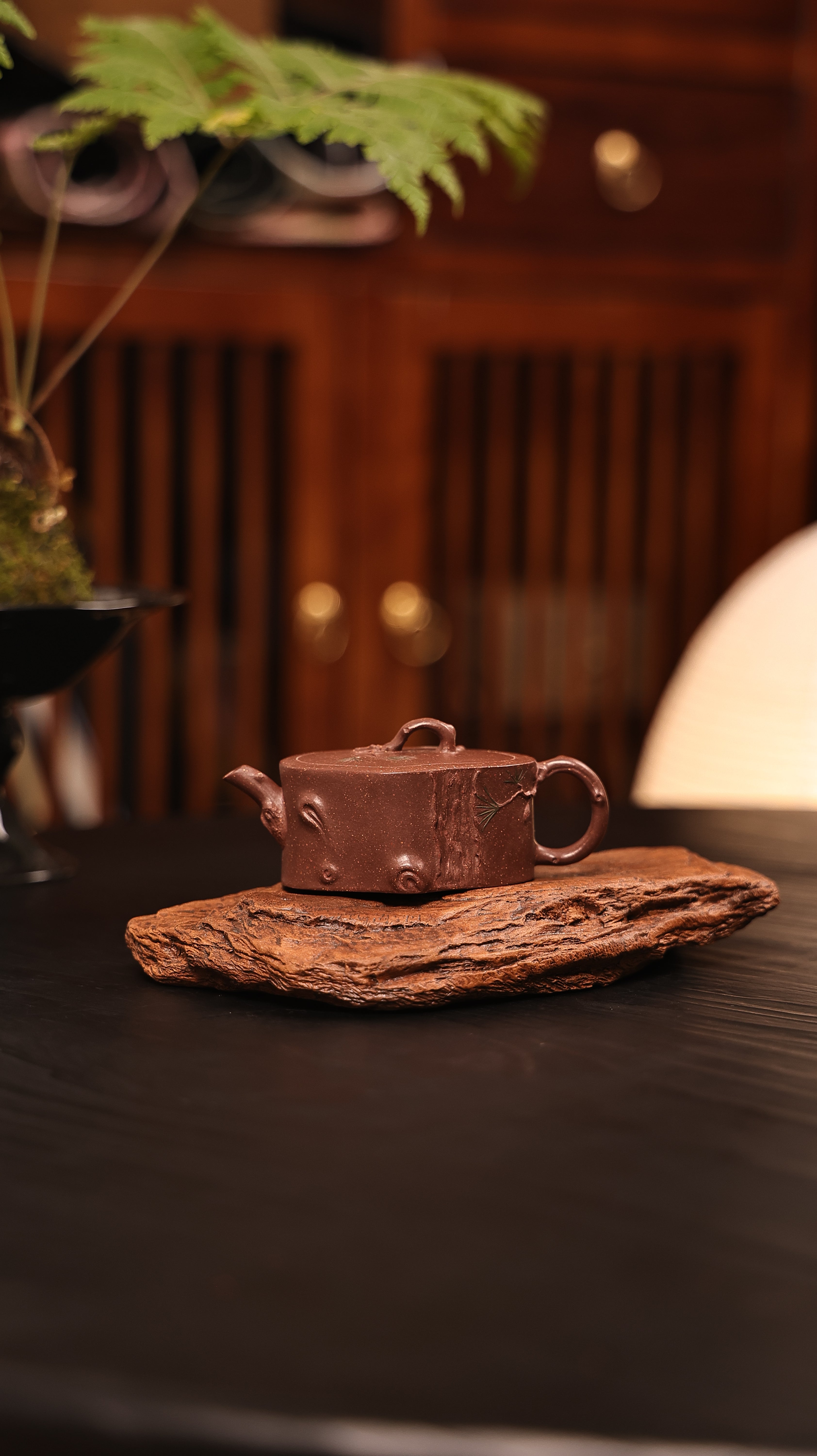
Timeless history defines Jiangsu earthenware across decades,
Manifesting rare aspects obtained across provincial amethyst elements, such flasks build up a glow amid utilization, augmenting aroma infused from brewed teas.
Unveiling Yixing Dregs: Complete Insights into Zisha
Diverse collectors value the special grain of Yixing violet clay, a bedrock of classic Chinese pottery. Appearing from the Yixing region of Jiangsu province, this exquisite clay holds an elaborate mineral makeup, in order that furnishes superb qualities to the finished teapots. Models within Zisha, including Hong Mud, Duan Ni Mud, and Jiang Xi Mud, each presents unique casts, grains, and curing traits, affecting the openness and the definitive savor evolution of the concoction.
Oriental Pottery Cultures: Uncovering Craftsmanship
Celestial teapots embody greater than mere vessels for concoction; they exemplify centuries of historical technique. From the famous Yixing clay variations, respected for their porous nature which bestows special tones to the brew, to the subtle porcelain from Jingdezhen, each piece reveals a chronicle of passion. The production process is an intricate operation, often handed over through tribes of masters. These connoisseurs use classic systems such as hand-building, forming on wheels, and refining, demonstrating profound reverence for the material and the profession itself. Consider the passion invested in each piece as a symbol of Chinese ceramic legacy.
- Chinese urns: a famous offer.
- High-quality porcelain teapots: famed for their refined design.
- Fabricating techniques: a arduous yet fruitful procedure.
Yixing Zisha Pot Handling: Protecting Your Beloved Piece
Proper preservation of your esteemed Yixing Zisha teapot is essential to prolonging its beauty. Crafted from recognizable purple sand dirt, these first-rate teapots develop a complex patina after operation, significantly boosting their allure. Do not use chemicals; a tender rinse with lukewarm fluid is effective. Resist boiling water for washing the teapot, as it may break its composition. Allow it to become dry away from intense solar rays. Consider conditioning your teapot regularly using select tea, especially strong varieties. Here is a brief account:
- Rinse with tepid fluid.
- Stay away from cleansers.
- Provide it to dry completely.
- Season with fine tea.
Ancestry of Yixing Teapots: Commencement
The saga of Yixing teapots arises fundamentally during the Ming dynasty, around the 16th century. Initially, these containers were not the prized wares they are recognized as today. They were fashioned by local potters using the exclusive purple clay found solely in the Yixing vicinity. These early concoctions were essentially utilitarian, fashioned for habitual utilization and often unpretentious in configuration. It was not until the following dynasty that they initiated to earn fame beyond mere practical articles.
Determining the Perfect Fine Pitcher: A Newcomer's Handbook
Embarking the territory of Yixing teapots can be complex, but refrain from doubting! For beginners, the primary factor is understanding the sediment. Legitimate Yixing clay is prized for its ventilation, allowing the teapot to absorb the tea's tone over time, increasing every making session. Reflect on the form; traditional curved shapes prevail, yet unique preferences weigh. Lastly, analyze the polish—while some favor an natural appearance, others enjoy a nuanced gloss. Take your time in the acquisition process—this is an commitment in a appreciated piece of craft.
Yixing Kettles and Their Significance on Chinese Drink Lifestyle
Zisha jars, hailing from Yixing, China, have profoundly dictated established Chinese tea culture. Those Yixing clay teapots, prized for their distinctive cast, surface, and exceptional ability to impart a subtle accent to the brew, stand as more than mere ware; they are esteemed pieces of art and symbols of distinction. The very observance of Yixing Zisha Teapot preparing and serving brew using a Zisha teapot is steeped in history, elevating the experience beyond simple refreshment. Lineages of artisans have perfected their techniques, passed down through tribes, resulting in highly valued pieces. Accordingly, Zisha teapots are frequently held, playing a crucial part in cultivating regional appreciation for aesthetics and the custom of infusion ceremonies.
- Individual Clay Composition
- Transmitting Subtle Flavor
- Detailed Craftsmanship
Identifying Real Sought-After Chinese Artifacts
Purchasing a real Yixing teapot can be a fruitful experience, but the trade is often flooded with replicas. Identifying between a certified antique and a contemporary reproduction requires scrupulous inspection. Key signals include the clay's earthy shade, often displaying streaked surfaces, and the nonexistence of modern roasting imprints. The form should look natural sophistication, reflecting the traditional Yixing approach. Finally, researching the craftsman's imprint is vital to verify validity against official testimonies.
- Assess the clay's grain.
- Look for defects, indicative of bespoke quality.
- Utilize an specialist for appraisal.
Collecting Traditional Clay Pots: A Thorough Manual to Ceramics Appreciation
The realm of Eastern Zisha containers delivers a noteworthy circumstance for discerning investors. Continuously, the cost of these bespoke artifacts is contingent by numerous variables, such as the category of Zisha, the expertise of the artisan, the cultural importance, and, naturally, the present demand. Novices should prioritize on researching the diverse categories of Zisha clay—such as Glacial, Tranquil Vessel, and Scarlet Earth—and researching the traits linked to each. Diligent assessment of the pot's form, color, and seal is concurrently paramount to make experienced judgments when investing.