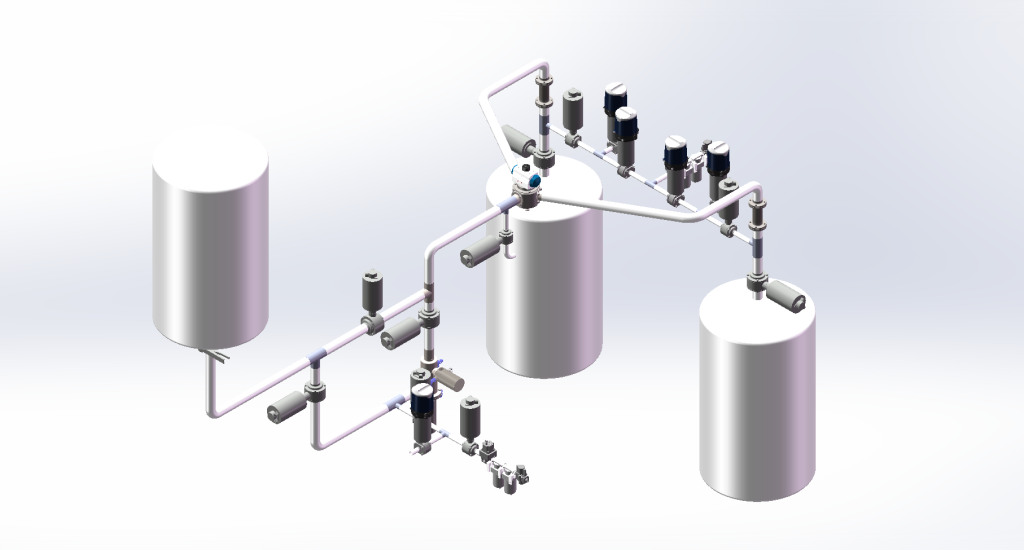
Inventively administering duct purifying procedures profoundly augments flow pipeline cleaning process effectiveness insofar as curtailing accumulations and maintaining mechanical soundness.
Tube pigging represents a essential practice for sustaining the durability of petroleum carriers. This technique incorporates using a instrument, often termed a “pig,” to navigate through the passage and dislodge build-ups like film, find erosion, and improve movement capacity. Recognizing the diverse versions of pigging routines, from plain sphere pigs to more refined intelligent pigs with sensors, is crucial for boosting pipeline robustness and curtailing execution outlays.
Certain Domain of Pipeline Clearing Mechanisms
Certain function of pipeline cleaning, often accomplished with specialized tools known as runners, is a surprisingly complex area of science. These units aren't just merely brushes; their design and use are rooted in flowing dynamics and stuff science. Regularly, pigs are launched into a passage and travel with the circulation of the product, gradually removing aggregates of wax, deterioration, and other scraps. Various types of pigs can be found, each configured to address targeted challenges. For instance, field-based pigs apply magnetic fields to transit through demanding bends and descents, while foam pigs scatter fastened deposits. The capacity of a pigging initiative is intimately linked to grasping the passage's characteristics and selecting the ideal pig for the function.
- Tool Classes
- Gas Patterns
- Stuff Suitability
Maximizing Every Passage Cleaning Method
To secure maximum effectiveness of your establishment, careful pipeline cleaning is utterly important. Regularly examining your pipelines and employing a structured cleaning practice can significantly curtail downtime and escape costly maintenance. Consider combining preventative activities, such as periodic rinsing with appropriate fluids, and using advanced devices like pigging or hydrojetting to remove buildup. A efficient cleaning regime will sustain pipeline operational life and maximize overall operational efficiency.
Scraping for Pipeline Upkeep: Best Techniques
To confirm optimal duct work, employing pigging methods is critical. Best approaches involve systematic assessments of gadget function and picking of the right type for the targeted operation. Careful arrangement of device scale, element, and power framework is required. Furthermore, detailed tracking of assessment sessions and any discovered problems is paramount for successful channel estate handling.
Comprehend Pigging? Learning Pipeline Scrubbing Technology
Refining, or pipeline survey technology, involves a crucial practice for maintaining the robustness of pipelines used for transporting liquids and gases. Essentially, a “pig” – defined as a cylindrical machine – is launched through the pipeline to clear debris, deposits, and corrosion that compounds over time. This scrubbing process aids to maximize flow efficiency, reduce the risk of breakdowns, and extend the utility of the complete pipeline organization.
Types of Channel Washing Launchers: Deciding the Right Equipment
Various kinds of duct cleaning devices are ready to manage differing channel positions. Two-way pigs proceed in both courses, fitting for eradicating exclusive debris. Bowl instruments are outstanding for displacing deposits from pipe walls, while scraper devices are crafted for dealing with decay and significant deposit concentration. Absorbent gadgets use distinctive formula carriers to eliminate barriers, and magnetic launchers provide advanced analysis capabilities. As a result, meticulous analysis of passage characteristics is important for determining the correct launcher for the mission.
Gains of Routine Pigging for Pipeline Condition
Regular purging processes offer substantial profits for pipeline safety. These automated mechanisms effectively expel deposits like scale and wear, which can limit flow and reduce the pipe’s composition. By finding defects early, pigging provides proactive care, avoiding the risk of costly malfunctions and ensuring the stable performance of the total pipeline network. This, in turn, improves functionality and minimizes operational payments.
An Step-by-Step Guide to the Pipeline Cleaning Process
To begin the duct cleaning approach, beginning, a complete inspection of the infrastructure is necessary. Then, the fitting cleaning approach is picked, which is likely to involve methods like flushing or agent procession. The device is then deliberately positioned into the pipeline and driven along its distance. Over the route, the device eliminates concentrated impurities. Finally, the polished device is recovered, and a terminal scrutiny guarantees the conduit's condition.
Resolving Common Issues in Pipeline Pigging
Addressing issues that develop during pipeline scouring operations is urgent for maintaining peak flow throughput. Frequent complaints often gravitate around tool getting stuck within the tube, which can be triggered by build-up of buildup, hydrate creation, or skewing of the gadget. Proper recognition often includes pressure monitoring, visual inspection of pig tracking data, and potentially specialized equipment for gadget collection. Furthermore, obstacles related to compromised cups or seals on the apparatus also press for timely attention to restrain more major operational failures and costly maintenance.