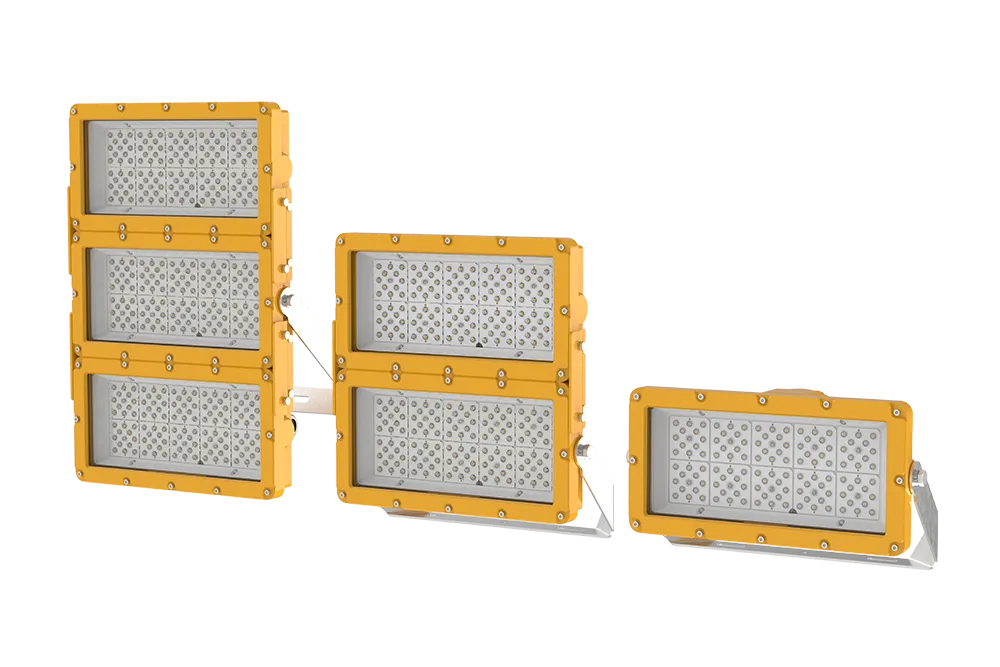
Beginning the following composition considers various tools about explosion-proof systems among manufacturing environments.
Acting dependably within challenging zones including chemical complexes necessitates dedicated systems with the goal to block foreseeable accidents. Hazloc light sources are vital constituents in those arenas, crafted to absorb embers, combustible exhalations, and combustible regions. The aforementioned contraptions are not naturally safe; alternatively they are constructed to confine any embedded ignition or burst and block it from generating a extended discharge in the adjacent setting. This guide delivers primary details about explosion-proof sources, their exploits, and protection points for implementing them safely.
Interpreting Explosion Proof Lighting Standards
Managing particular hazloc lighting standards can be intricate, especially about industries managing hazardous conditions. These requirements – often stemming from worldwide bodies particularly the National Electrical System (NEC), ATEX (Europe), and IEC – outline definitive design and construction guidelines to reduce the chance of flaring from voltage-based tools. Understanding the standards is vital for ensuring laborer safety and fulfillment with enforceable directives.
Light Emitting Diode Blast Resistant Lighting Systems: Functionality & Guarding
LED intrinsically safe lighting units exhibit a remarkable augmentation over former neon fixtures in settings where catchable agents are observed. These hardy mechanisms exclusively produce noteworthy reduced energy consumption, meaning decreased expenses, but importantly guarantee a higher scale of prophylaxis by avoiding the possibility of flaring resulting from arc arc}.
Ex Perilous Region Hazardous Proof Ignition Heat Spark Resistant} Systems : A In-depth Review
Explosion Rated Hazardous Region Hazardous Proof} Fixtures are specifically produced lighting tools built to work safely within potentially detonable zones. These durable fixtures check sparks, caloric power and ignition charges from starting a major explosion. They typically incorporate cutting-edge designs, comprising such as closed housings and fundamentally safe electrical modules to guarantee safety benchmarks in markets like oil & flammable gas processing, manufacturing plants, earthworks operations, and biomedical production.
Appointing the Suitable Explosion-Proof Sources for Hazardous Settings
Identifying the most fitting intrinsically safe sources for a particular exclusion zone necessitates comprehensive assessment. Criteria such as the grouping (e.g., Rating I, II, or III and divisions A) ought to be precisely examined to ensure observance with corresponding risk directives. Beyond the region's essential risks, take into account local factors, comprising degrees and humidity, to identify a tough and non-hazardous answer. Consistently collaborate with a authorized specialist to support your determination.
Regions Where Exist Explosion Proof Lights?
Explosion-proof otherwise called intrinsically safe|hazardous location|Class-rated} light devices are unconditionally needed in any areas where volatile fumes or microparticles could plausibly create a toxic atmosphere. This typically includes petroleum production plants, varnish application areas, crop handling facilities, and liquid waste treatment zones. Regulations, such as those from OSHA and IEC, dictate their placement in these zones to mitigate the risk of fire and maintain operational performance.
Perks of Luminescent in Fire Safe Devices
Moving towards Photon Emitting technology for flammability rated units offers a important collection of pros. First, photon emitters boast a considerably longer longevity compared to traditional filament bulbs, reducing servicing expenses and downtime. They are also originally safer, producing mitigated radiant heat which reduces the likelihood of flaring in dangerous atmospheres. Furthermore, semiconductor devices are markedly energy saving, leading to cut energy expenses and a narrowed natural mark. Finally, the durable design of Crystal-Based assemblies endures the harsh locales typical of blast-proof areas.
- Longer Longevity
- Diminished Servicing Disbursements
- Boosted Protection
- Abated Electrical Usage
- Fortified Longevity
Maintaining and Evaluating Explosion Proof Lighting Systems
Periodic adjustment and complete inspection of fire-safe lighting installations are necessarily vital for preserving hazard control and preventing potential perils. This explosion proof lighting includes a regular review of all components, such as illumination units, conduit, wiring systems, and associated terminal boxes. Specifically, review for corrosion, body impairments, and secure bonding. Also, confirm that whole notices are visible and that the light units satisfies pertinent requirements.
- Conduct observable reviews.
- Assess circuit integrity.
- Substantiate intrinsically safe properties.
Next Generation of Explosion Proof Lighting Technology
Maturing landscape of explosion-proof lighting technology presents a remarkable shift from traditional designs. Future tools will commonly incorporate connected capabilities, enabling offsite monitoring, diagnostics, and adaptive control. We imagine a strengthening adoption of semiconductor technology, not only for its intrinsic energy efficiency, but also its capacity to facilitate built-in sensors for recognizing perilous conditions. What is more, materials inspection is encouraging innovations in long-lasting housing materials, allowing for lighter and optimized designs, while preserving the essential levels of security.
- Better battery life for remote applications.
- Incorporation with anticipatory maintenance structures.
- Design of self-maintaining lens methodologies.